About the Book
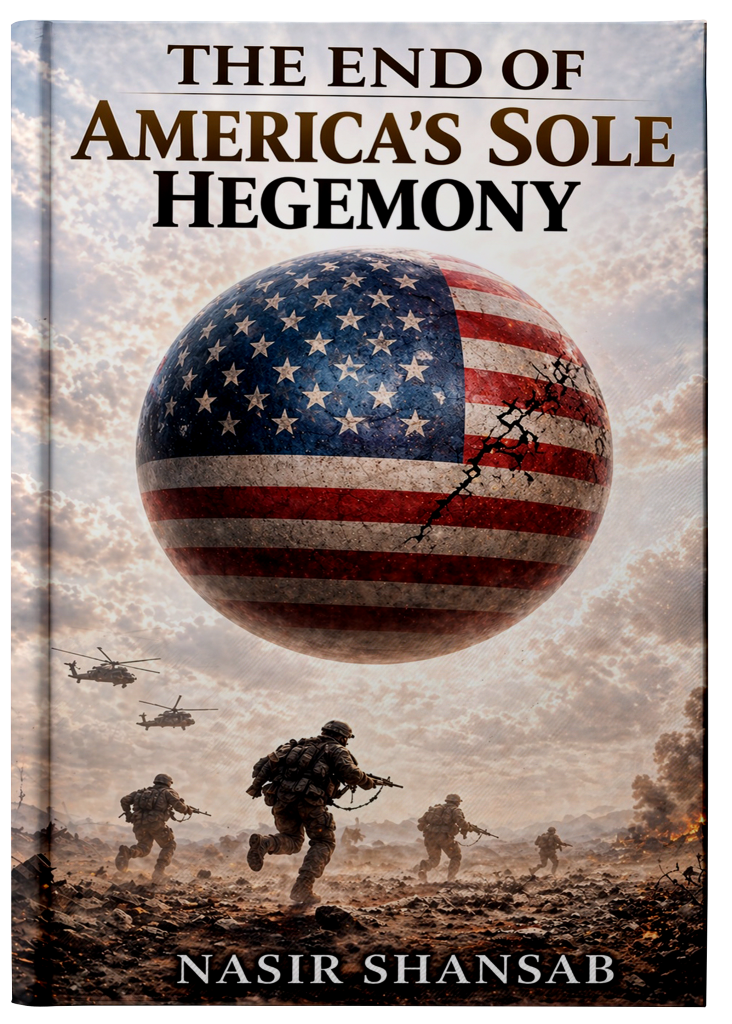
The End Of America's
Sole Hegemony
The End of America’s Sole Hegemony is a powerful and thought-provoking exploration of the rise and gradual decline of the United States as the world’s dominant power. In this compelling work, Nasir Shansab examines how America emerged as a global superpower in the 20th century and how its role and influence have begun to shift in the modern era.
Blending historical insight with emotional depth, the book moves through the devastation of World War I and World War II, the ideological tensions of the Cold War, and the evolving dynamics of global politics. It highlights not only the strategies of nations but also the human cost of war and power struggles.
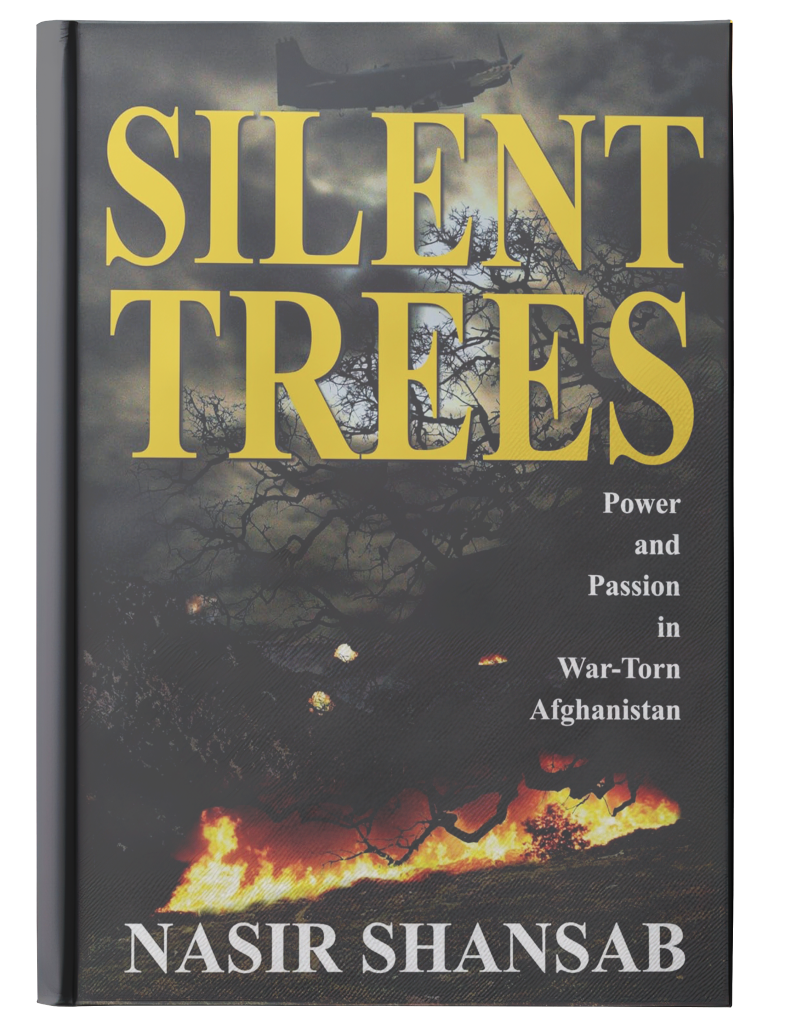
Silent Trees
Power and Passion in War Torn Afghanistan
Silent Trees is an enthralling political and personal fiction that gives the reader what Shansab calls “a glimpse inside the soul of Afghanistan and the dangers of the unchecked pursuit of power.” Written in English for a Western audience, its themes are as much about the human condition as they are about Afghanistan. And if “fiction is the best tool” to convey them meaningfully to a wide audience, as Shansab argues, then the author has succeeded wonderfully. –Masatoshi Asaoka, Diplomatic Courier
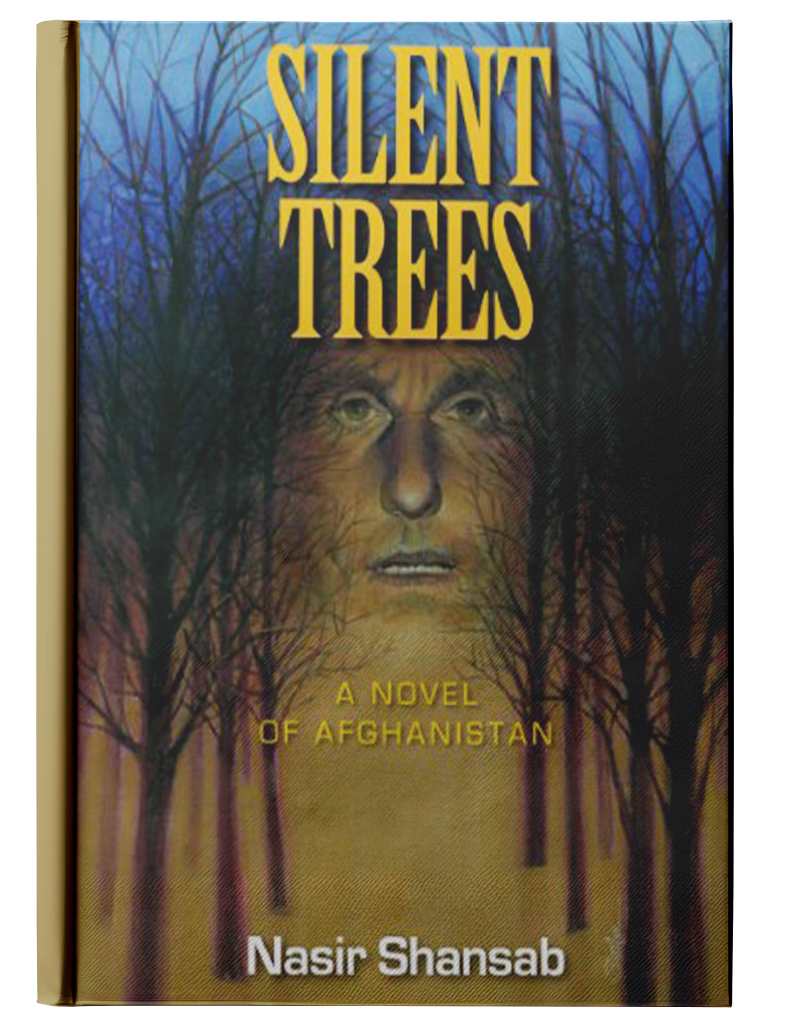
Silent Trees
A Novel of Afghanistan
It s the winter of 1978 in Kabul and all seems quiet.
Habib Dil is a member of the privileged elite of Afghanistan. As the head of the powerful manufacturing concern, he has wealth, education, opportunities to travel, and a family history that gives him tremendous prestige. Yet Dil is aloof, unable or unwilling to accept the notion that malfeasance and exploitation are prerequisites to fully joining the ruling class.
Despite his efforts to avoid entangling himself in government business, he has brought a complication upon himself. He is having an affair with Miriam, the daughter of the ruthless Prime Minister Khan. Dil believes it is a secret, but worries they will one day be discovered.
One morning, he learns that his assistant has been arrested at the central depot while negotiating for the purchase of supplies. Dil is compelled to personally arrange his assistant s release, but doing so requires him to navigate through the unwieldy bureaucracy he has consciously avoided. For Dil it is a loathsome task.
He thinks of seeking help from his close childhood friend, Alam Gol, now a Colonel in the Army. Gol’s path has led him to seek the kind of power and influence that Dil rejects.
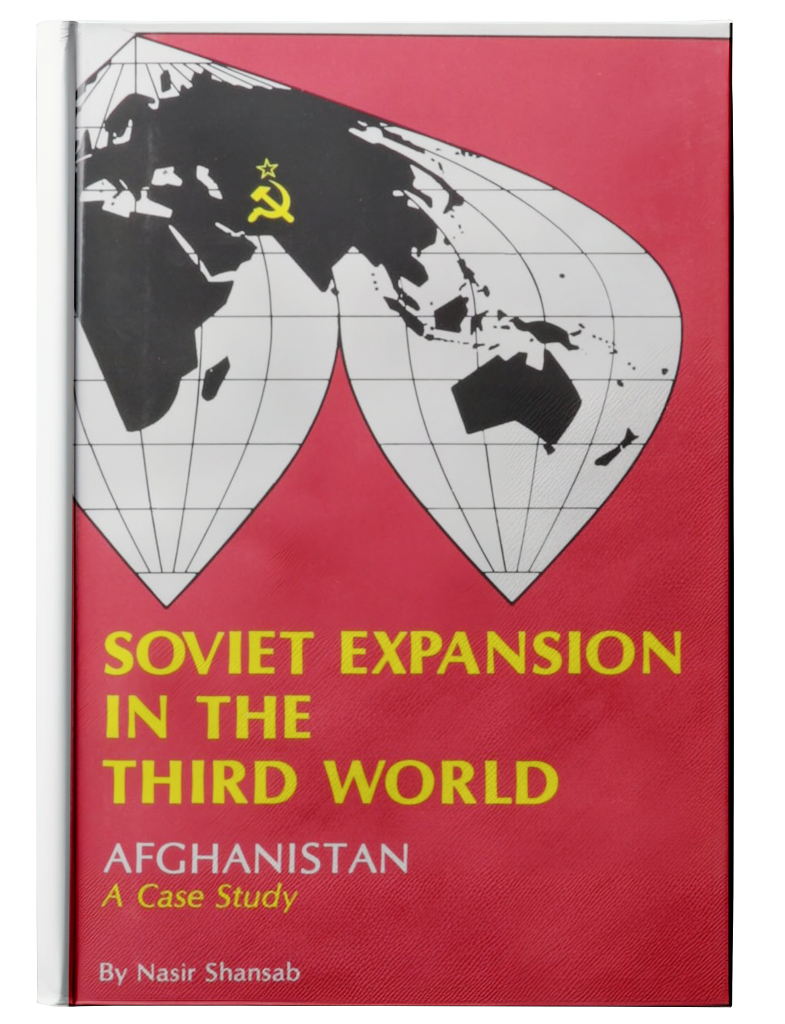
Soviet Expansion in the Third World
Afghanistan a Case Study
This penetrating study might more aptly have been titled Superpower Expansion in the Third World: Afghanistan, a Cautionary Tale. Its author, Nasir Shansab, an Afghan businessman and social critic, now lives in the United States, having been forced into exile in 1975. He offers, first, an account of Afghanistan’s recent history, then sets that in the context of upheaval taking place from Iran to Nicaragua.
Shansab’s thesis is simple if not elegant: “In order to survive, social order must make sense to the people. It must be perceived as just, and it must offer security. Social systems . . . that fail to offer hope for a better future simply will not be endured passively for long,” he writes. “Time will inevitably and inexorably work toward violent change if negotiated reform does not take place.”